10 Dec 2025
Can You Really Stop Your Teen from Gaming?
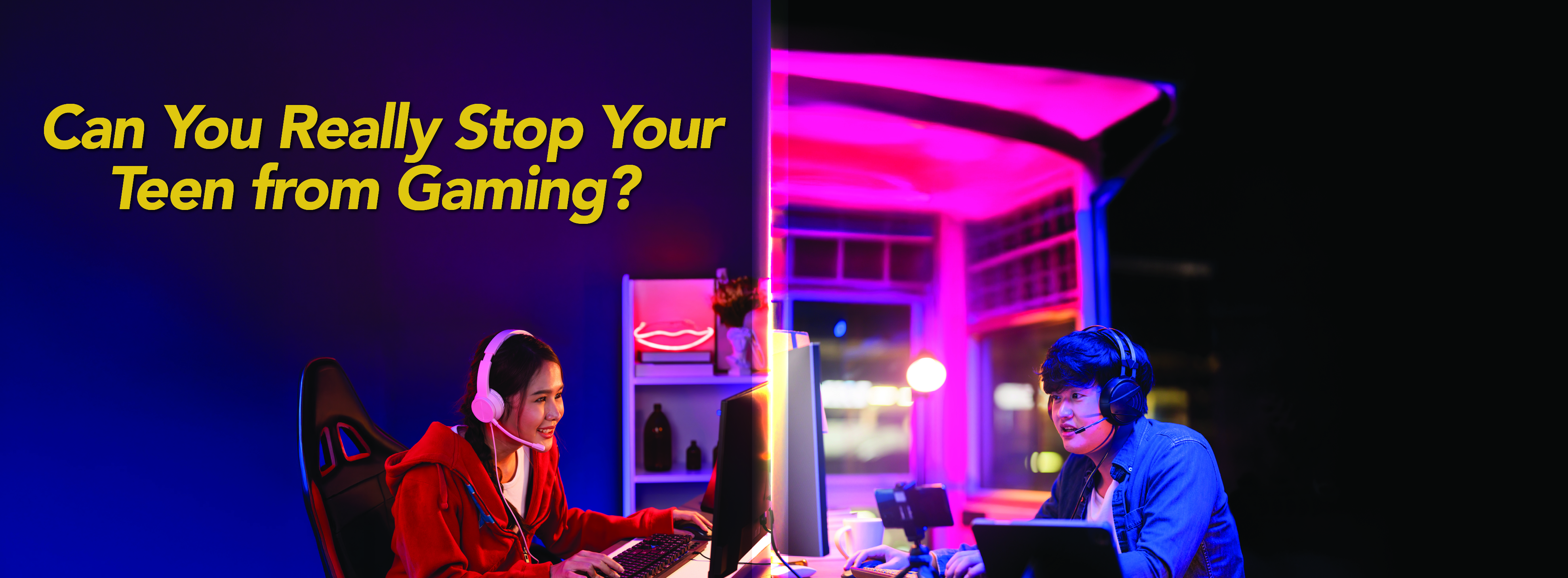
Here's a smarter way. Discover smart nutrition and lifestyle tips to support gaming teens this school holiday.
It’s the school holidays, which means more free time, less structure, and for many teens, a whole lot more screen time. If you’re a parent, you probably know the routine: meals pushed back, sleep schedules flipped, and the ever-familiar line
“Just one more game!”
You sigh, you nag, and deep down, you wonder: Is there even a way to stop this?
The truth is, gaming has become more than just a pastime. It’s where teens connect, compete, and even find confidence. For many, it’s their way of socialising and de-stressing. So instead of trying to fight it, maybe it’s time to find a smarter way to work with it.
The Real Issue Isn’t Gaming, It’s Imbalance
Gaming, in moderation, isn’t bad. In fact, it sharpens reflexes, builds teamwork, and even enhances problem-solving skills.1 The trouble begins when gaming takes over, when hours stretch late into the night, meals get skipped, and the only exercise is moving the controller.
You may start to notice signs of fatigue, eye strain, headaches, mood swings, irritability, and a lack of focus outside of gaming.2
It’s not about being lazy; it’s the body reacting to poor sleep, dehydration, and nutritional gaps. Teens are still growing, and their brains and bodies require consistent fuel to perform well, both on and off the game field.
Growing Minds Need the Right Fuel
Between irregular meals, late nights, and fast food, most teens aren’t getting enough of the nutrients they need for steady energy, focus, and mood balance.
Key nutrients that support teen gamers include:
- B vitamins for steady energy and brain function.
- Vitamin C and zinc to support immunity (especially when sleep is lacking).
- Iron and magnesium for concentration and reduced fatigue.
- Omega-3 DHA to support memory and mental clarity.
A multivitamin designed for active or gaming teens helps bridge the nutritional gaps from less-than-ideal eating habits. It keeps their energy, focus, and mood in check, even through those long gaming sessions during the holidays.
Think of it not as a substitute for real food, but as a way to give their body the tools to cope with the lifestyle they already have.
What About Older Teens?
For older teens (17 to 20), the holidays may mean late-night gaming, studying, or part-time work. The pace changes, but the need for focus, energy, and mental resilience stays the same.
Their brains are still developing, making nutrition key for memory, mood, and sustained energy. Phosphatidylserine sharpens focus and recall, while ginseng boosts alertness and fights mental fatigue, ideal for marathon gaming or study sessions.
Meanwhile, B-complex helps maintain steady energy and keep stress in check, and antioxidants like vitamin C and E defend against the oxidative stress that comes with late nights and long screen hours.
A well-formulated multivitamin with these nutrients helps older teens stay sharp, energised, and balanced as they navigate both screens and growing independence.
Eye Health: The Most Overlooked Player
One of the biggest side effects of long gaming or screen time is digital eye strain. Between blinking less, staring at bright screens, and sitting too close to monitors, many teens experience dry or itchy eyes, blurred vision, or headaches.3
Encourage your teen to follow the 20-20-20 rule: every 20 minutes, look 20 feet away for 20 seconds. Small breaks give the eyes a chance to reset and prevent long-term strain.
On top of that, certain nutrients act like internal eye protection. Lutein and zeaxanthin help filter blue light and protect the retina, vitamin A supports night and low-light vision, while omega-3s help prevent dryness and irritation.
If their screen time is unavoidable, these nutrients, whether from food or a quality eye supplement, go a long way toward keeping their vision sharp and comfortable.
Lifestyle Habits That Keep Energy Up and Stress Down
Healthy gaming or studying isn’t just about limiting screen time. It’s about helping your teen build a routine that supports body and mind:
- Move often. Stretch between matches or classes. Even 10 minutes of movement improves blood flow and focus.
- Eat real meals. Protein and complex carbs keep energy stable. Think eggs, brown rice, oats, and fruits.
- Stay hydrated. Dehydration is sneaky, especially in air-conditioned rooms. Keep a bottle nearby.
- Sleep enough. No supplement replaces deep rest. Encourage at least 7–8 hours each night.
These simple habits support learning, gaming, and overall well-being, the ultimate “power-ups” for real life.
Partnering with Your Teen, Not Policing Them
Trying to ban gaming usually backfires. It creates tension, not trust. Instead, join them for a match or simply watch them play. When teens feel understood, they’re more open to listening. Rather than strict rules, guide them with a gentle structure, such as short outdoor breaks to refresh their mind or stocking up on easy, balanced snacks instead of nagging about junk food. Even something as simple as handing them their daily multivitamin shows care and consistency. Over time, they’ll start noticing the difference: sharper focus, steadier moods, and better energy both in and out of the game.
A Smarter Way to Play (and Grow)
The school holidays can be a great opportunity for rest, connection, and learning, even if that includes gaming. Instead of fighting against screens, focus on supporting your teen’s overall well-being:
- Provide nourishing meals
- Encourage regular sleep
- Make time for outdoor activity
- Offer a daily multivitamin that supports energy, focus, and eye health
These little habits create a foundation that lasts long after the holidays end, when school, homework, and life pick up again. Because in the end, it’s not about banning what they love. It’s about helping them live and play in a way that’s healthy, balanced, and sustainable.
So no, you might not be able to stop your teen from gaming. But with the right support, you can help them game smarter, live better, and grow stronger.
- Benefits of recreational gaming
- the-health-effects-of-too-much-gaming
- internet-gaming-addiction-threatening-teen-vision-well-being
Share
Products Used In This Article

LAC Teen's
Teen's LEGENDS
60 Softgels
For active teens (12-18 years), supporting energy, focus, and learning.

LAC
LEGENDS™
90 Caplets
38 clinically researched ingredients, including herbs in standardized or concentrated extracts for optimum health benefits

LAC Eyes
Berry Clear
30ml X 12 bottles
A wholesome formula that is specially formulated for the eyes; promotes healthy vision, including night vision; supports macular health (for sharp central vision); and combat dry and sensitive eyes.
Boost Focus & Learning 🤓🧠

Support Your Metabolism 🔥

Discover This Month's Pick 💫
Specially Selected For You


178.32
MEMBER (Save 20%)
RM178.32
Usual
RM222.90
MYR 222.90

307.12
MEMBER (Save 20%)
RM307.12
Usual
RM383.90
MYR 383.90

163.12
MEMBER (Save 20%)
RM163.12
Usual
RM203.90
MYR 203.90
343.12
MEMBER (Save 20%)
RM343.12
Usual
RM428.90
MYR 428.90