
12 Mar 2026
Balance Your Hormones at Every Stage 🌿💖

Practical tips and natural support for women. From PMS to menopause, and to stay balanced, energised, and well.
Hormonal changes are part of every woman’s story. From your first period to the transition into menopause, your body is constantly adjusting, even when those shifts aren’t obvious.
Often, we only start paying closer attention when something feels off. For example, when sleep becomes lighter, moods feel harder to manage, energy crashes more often, or cycles become less predictable.
Supporting your health isn’t just for when symptoms arise, it’s an ongoing journey.
During Your Reproductive Years: When Monthly Changes Feel More Intense
During the reproductive years, estrogen and progesterone rise and fall in a natural monthly rhythm that influences everything from mood, energy, and overall well-being. But modern lifestyle factors like chronic stress, imbalanced meals, limited physical activity, and poor sleep can disrupt this balance and make PMS symptoms feel more intense.1
PMS is more common than many realize. Around 48% of menstruating women experience premenstrual symptoms, and up to 30% report symptoms severe enough to interfere with daily activities.2 Still, it’s often treated as something you’re expected to tolerate quietly.
If you feel more sensitive, fatigued, or bloated in the days before your period, your body may be asking for additional support. The good news is that simple lifestyle habits can go a long way in supporting hormonal balance.
Start with the basics:
- Prioritise sleep: Quality sleep plays a significant role in hormone regulation, stress response, and appetite control. Aim for consistent sleep and wake times whenever possible.
- Nourish your body with balanced nutrition: Skipping meals or relying on refined foods can worsen fatigue, cravings, and mood swings. Eating whole foods like vegetables, fruits, whole grains, nuts, seeds, and lean proteins may help reduce PMS symptoms, while limiting caffeine, sodium, and processed foods can ease bloating.3
- Move your body regularly: Gentle activity like walking, yoga, or strength training improves circulation, eases tension, and supports overall hormone health.
- Hormone supportive ingredients: Evening primrose oil, a source of gamma-linolenic acid (GLA), may help ease monthly discomfort. Similarly, traditional herbs like chasteberry, dong quai, and cramp bark are also commonly used to support hormonal balance and reduce PMS-related symptoms.
For women with busy schedules, a daily natural PMS support can help support hormonal balance, making it easier to stay consistent even during hectic periods.
Perimenopause: The Phase Many Women Don’t Expect
Perimenopause can begin years before menopause, and many women don’t recognize it at first. Changes like lighter sleep, nighttime wake-ups, mood shifts, or irregular periods may seem subtle in the beginning.
At this stage, estrogen starts to fluctuate more. These hormonal shifts can affect sleep, mood, and stress tolerance, which is why daily habits become increasingly important.
- Protect your sleep: Keep consistent bed and wake times, limit screens an hour before bed, and create a simple wind-down routine to help your body rest.
- Adjust caffeine: Reduce intake or avoid it after early afternoon if you notice anxiety or nighttime wake-ups.
- Manage stress: Short daily breaks, a walk, a gentle stretch, or a quiet moment can help calm the nervous system.
- Hormone supportive ingredients: Isoflavones can gently ease hormone fluctuations, while botanicals such as ashwagandha and vitex support mood and vitality. A daily women’s supplement combining these ingredients can make it easier to manage perimenopause discomforts.
Think of this stage less as a decline and more as a natural recalibration. One that responds well to proactive care.
Menopause: Strengthening the Foundation for the Years Ahead
As menopause sets in, estrogen levels decline steadily. Hot flushes and night sweats often get the most attention, but other changes are happening too. Bone density slowly declines, heart health becomes more important, and skin, joints, and muscle tone may not feel quite the same as before.
This stage is an opportunity to focus on long-term strength and resilience.
- Prioritise strength training: Resistance exercises help maintain bone density and support muscle mass, both of which naturally decline with age.
- Prioritise protein intake: Adequate protein supports muscle maintenance, recovery, and overall vitality.
- Support vitamin D levels: Getting regular sunlight helps, and you might consider checking your vitamin D status with a healthcare professional.
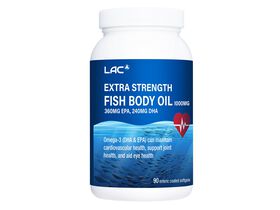
- Targeted nutrients support: Calcium, vitamin D, magnesium, and vitamin K2 work together to help maintain bone health, while omega-3 fatty acids support heart health.
Support Looks Different at Every Stage
Hormonal care isn’t something that begins at a single milestone. It evolves with each stage of life.
The daily choices you make, how you eat, move, sleep, and manage stress influence how your body adapts to change. Supplements aren’t a substitute for these habits, but they can complement them by helping fill nutritional gaps and support overall resilience.
Take a moment today to check in with your wellbeing, not just when symptoms arise, but as part of ongoing care. Each stage of womanhood brings change, and with the right support, it can also bring strength, clarity, and confidence.
- Severity of Menstrual Pain Is Associated with Nutritional Intake and Lifestyle Habits - PMC
- (PDF) The worldwide prevalence of premenstrual syndrome: A systematic review and meta-analysis study
- Relationships between Premenstrual Syndrome (PMS) and Diet Composition, Dietary Patterns and Eating Behaviors - PMC
Share
Products Used In This Article
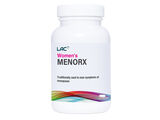
LAC Women's
Menorx
60 capsules
Reduce mood swing, irritability & anxiety caused by the hormonal changes.

LAC Women's
Menstrual Relief
60 capsules
LAC Women's
Menstrual Relief
60 capsules

Boost Focus & Learning 🤓🧠

Support Your Metabolism 🔥

Discover This Month's Pick 💫
Specially Selected For You

178.32
MEMBER (Save 20%)
RM178.32
Usual
RM222.90
MYR 222.90

307.12
MEMBER (Save 20%)
RM307.12
Usual
RM383.90
MYR 383.90
163.12
MEMBER (Save 20%)
RM163.12
Usual
RM203.90
MYR 203.90

343.12
MEMBER (Save 20%)
RM343.12
Usual
RM428.90
MYR 428.90